Hotel operations consultant · Santa Monica
No guest should have to ask twice.
I spend two shifts with one of your teams, see how they use their tools and where work slows down, and leave you a 30-day action plan.
3:00 PM · The PM shift
Fictional example
One complaint. Three places to write it down.
The group chat
Mr. Smith in 204 called at 2:45. AC not working. Said it has been warm since he arrived. Offered a fan, he was not happy. Engineering said they would look. Not sure if they went.
A sticky note
AC issue. Room 204.
The guest had to ask again.
The logbook
No entry for the AC call.
11:00 PM · The overnight shift
7:00 AM · The next morning
Fictional example
By morning, Mr. Smith is at the desk again, and the morning shift is hearing about it for the first time.
That is where I come in.

Lex Fuller
Hotel operations consultant · Santa Monica
I spend two shifts beside your team and look for four things.
What takes the longest
I time the task, not the person. No name is recorded with a time.
Where work gets stuck
The steps where a request waits on a person, an answer or a screen.
What gets in the way
The steps and tools that make a routine task harder than it needs to be.
What only a few people know
The know-how that sits with one or two people while everyone else waits.
What you keep
A 30-day action plan.
It starts with changes you can make with the tools you already have. If you need something new, I build it in your own accounts, and it stays yours.
Less time chasing information. More time with your guests.
It is about how work flows, never about who is at fault.
My experience
I have worked these shifts
For nine years I worked in hotel operations, in front office and guest services, including a hotel pre-opening. Every shift ended with a pass-on: guest updates, staff updates, and what we had promised for the next shift. If a guest asked for a car in the morning, it went in the pass-on.
When a pass-on was missed, nobody had done anything wrong. The process had a gap.
So I built tools for my own teams. One, a guest recovery tool, turned a typed complaint into a standard record the next shift could act on. The whole hotel used it.
How it works
Three steps. You can stop after any of them.
-
Step 1: Assess
You can stop here
An open look at one team, under one director, with no problem decided in advance.
What you keep
- My findings.
- Three to five recommendations.
- A 30-day action plan: what to change, who owns it, by when, and one number to check again.
- Options for building the top recommendation.
What happens on site
- I work beside your team for two shifts and watch two handovers.
- I time the tasks that take longest, not the people. Your director tells the team first, and no time is recorded against a name.
- I speak with staff where you allow it.
- Your team works its normal shifts. Your director tells the team beforehand and joins one decision meeting.
At the readout
- I show you a working sketch of the build I recommend, run once on a made-up guest and labeled as a sketch.
- If a tool you already have does the job, I say so.
- I make a recommendation. The decision is yours.
The result
You keep the findings and the action plan. If you stop here, you can carry them out without me.
-
Step 2: Build
You can stop here
One workflow for one team, built in your hotel’s own secure accounts, including any cloud or AI accounts it already has, and tested on each shift. It comes with training, a written guide and 30 days of fixes.
- You choose the approach: a standard version in tools you already have, or a version that uses an AI assistant. I recommend one, and I start with the simplest thing that shows a result.
- If your team is ready for AI, I set it up inside your own account, around how your shifts already work, and I train the people who will use it.
- The plan names where the official record lives, so nobody has to keep two logs.
- I time the same task before and after, so you can see what changed.
The result
One working workflow, tested on every shift.
-
Step 3: Support
You can stop here
After the 30 days of fixes, a monthly plan: a set number of hours, one check-in call and a stated response time.
If your director can maintain the tool, you may need no plan at all.
The result
A defined response when something breaks.
Ownership
Rules for anything I build
- Your hotel owns the account, the tool and the data. I keep my methods.
- I build to your standards and the way your team already works.
- Nothing goes live until your on-site contact approves it.
- If you make me an administrator on one of your accounts, our agreement says what I may open and when that access ends.
Demonstration
Would your team know what it still owes this guest?
One complaint, from the desk to the next shift.
This shift
-
The note
A staff member types:
Mr. Smith called. AC not working. Manager to follow up.
The tool finds what is missing:
- The time of the call
- What has been done
- Who follows up, and by when
-
The tool asks
- The tool asks What time did he call?
- Staff member 2:45 PM.
- The tool asks What has been done so far?
- Staff member Apologized. Moved him to a new room.
- The tool asks Who will follow up, and by when?
- Staff member Morning manager on duty, by 9:00 AM.
-
The staff member confirms
- What happened
- Mr. Smith called at 2:45 PM. The air conditioning in his room was not working.
- Recovery
- Apologized. Moved him to a new room.
- Follow-up
- Morning manager on duty, by 9:00 AM.
ConfirmConfirmed
The next shift
Without this
AC not working. Manager to follow up.
- Which manager?
- By when?
- Is the guest all right?
-
The next shift’s view
With this
Still open from the last shift
Mr. Smith: follow up after his room move.
Status Open
One confirmed entry filled both the complaint record and the pass-on. Nothing was typed twice.
Same complaint. This time the morning shift knows who owes Mr. Smith a follow-up, and by when.
This is one example of a build. The assessment is how I find the one your team needs.
About Lex
Meet Lex

Five-star guest experience operations. 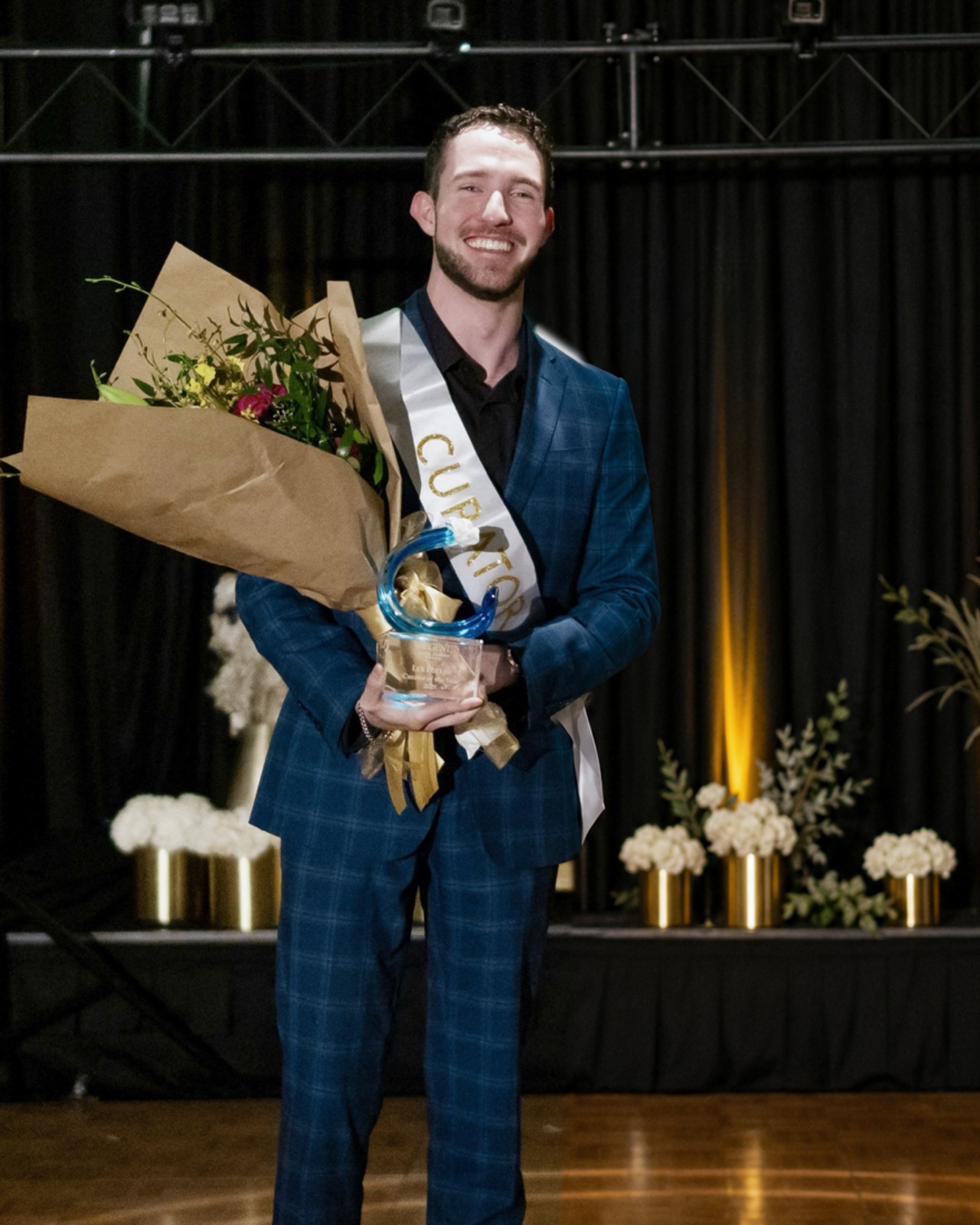
Curator of the Year at a five-star hotel in Santa Monica. 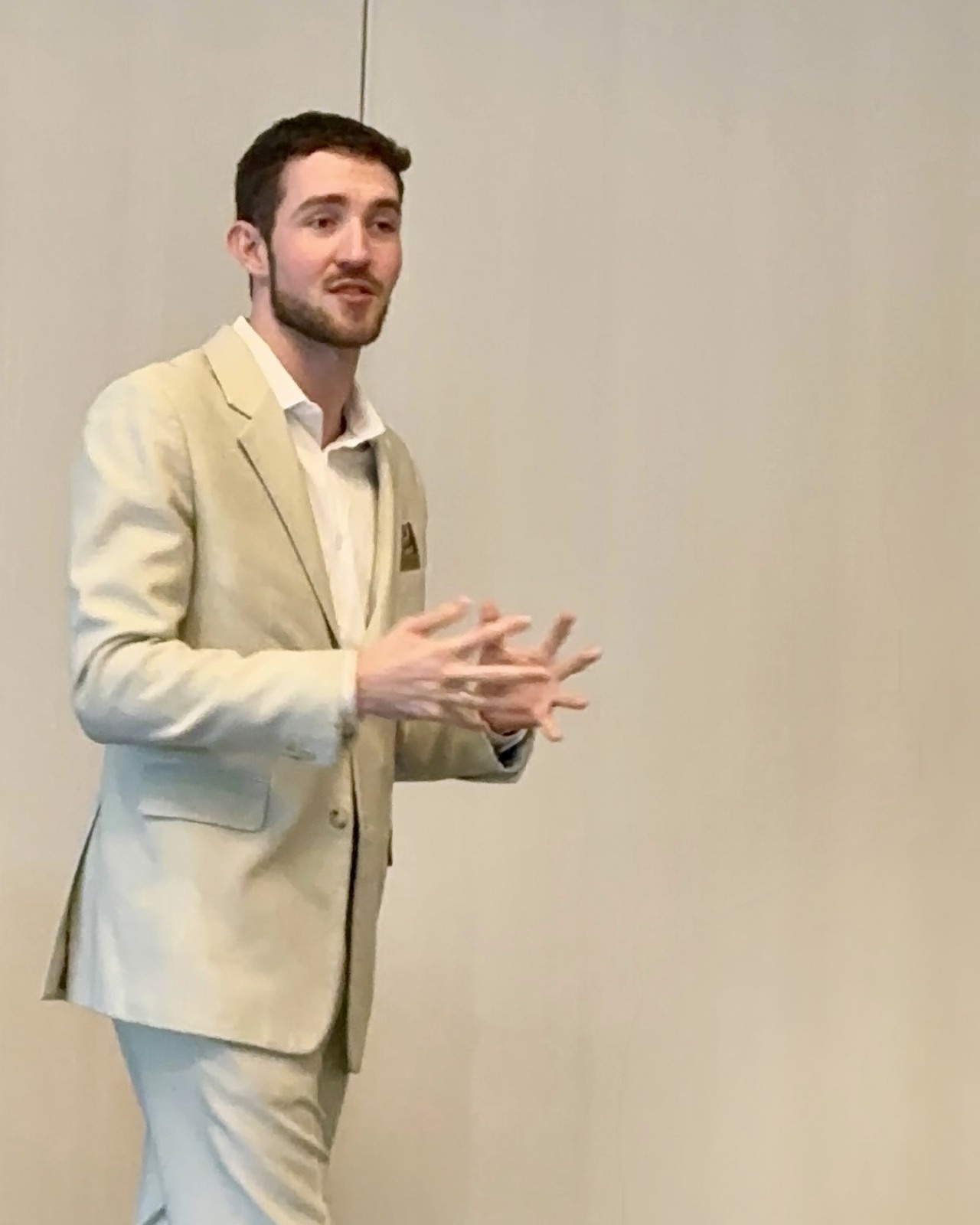
Nine years in hotel operations, including pre-opening work.


I started in hotels at 15. In nine years I have worked front office and guest services and led shifts. I was named Curator of the Year at a five-star hotel in Santa Monica.
When you hire me, you work with me. I am on site for both shifts, I write the plan, and I build the fix myself.
Book a 30-minute call- B.S. in Hospitality Management, Cal Poly Pomona’s Collins College
Certifications
- Certification in Advanced Hospitality and Tourism Analytics (CAHTA)
- Certification in Hotel Industry Analytics (CHIA)
- CoStar Real Estate Analytics Certification (CREA)
Use the quiet season to fix what the busy season exposed.
Tell me what takes your team longer than it should.
You tell me what is going wrong, I ask how the work moves today, and I tell you plainly whether an assessment would help.
Free, 30 minutes, no obligation.
Or email [email protected]. Please leave guest and confidential details out of your first message.
Or email [email protected]. Please leave guest and confidential details out of your first message.